At least eight airlines were affected after the Saudi authorities temporarily closed Abha airport near the border with Yemen on July 13 after Houthi rebels targeted the facility with missiles and drones.
According to Reuters, the attack was in retaliation for earlier airstrikes on the Yemeni capital's Sana Airport, which the Yemen-based Houthis blamed on the kingdom. The Saudis issued a replacement NOTAM on July 15 extending the closure of Abha to July 16, according to ch-aviation research.
ADS-B data shows the following airlines cancelled flights to/from Abha Regional Airport between July 14 and 16:
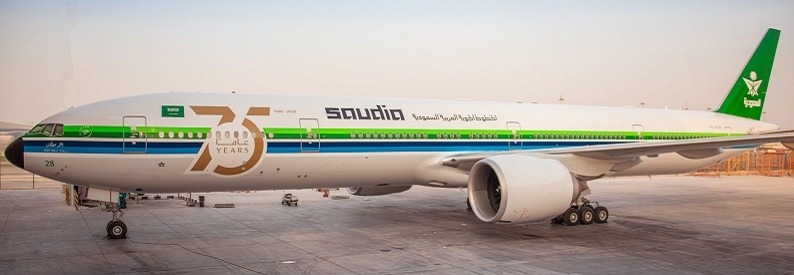
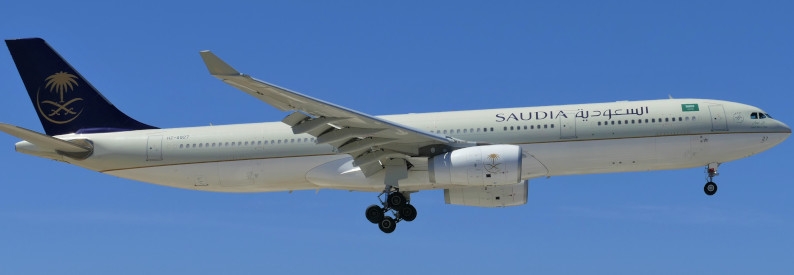
- Saudia to/from Jeddah International and Riyadh;
- flynas to/from Jeddah;
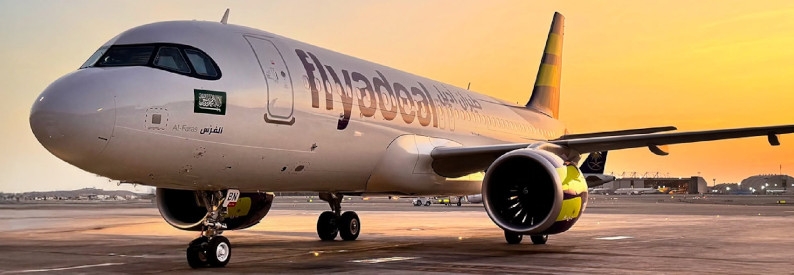
- flyadeal to/from Jeddah;
- flydubai to/from Dubai International;
- Air Arabia to/from Sharjah;
- Air Arabia Egypt to/from Cairo International;
- Nile Air to/from Cairo; and
- Qatar Airways to/from Doha Hamad International.
In addition, KLM Royal Dutch Airlines suspended its flights to/from Dammam, Riyadh, and Dubai up to and including July 15. Lufthansa Group airlines' flights to Damman, Riyadh, Teheran and other Middle East destinations remain suspended until October 24, 2026, while British Airways has cancelled or temporarily suspended services to Riyadh, among other regional destinations.
On July 14, the European Union Aviation Safety Agency (EASA) reinstated its warning, withdrawn a week ago, to airlines operating in the Middle East, advising them to avoid the airspace of Bahrain, Kuwait, Qatar, the United Arab Emirates, and the airspace over the waters of the Gulf of Oman within the Muscat flight information region (FIR).
According to multiple international news reports, the Houthis blamed Saudi Arabia for the Sana Airport runway strike, but Yemen's internationally recognised government later said it had carried out the attack to prevent a Mahan Air (W5, Tehran Mehrabad) A340-300, carrying a Houthi delegation, from landing. The Mahan Air flight diverted to Houthi-controlled Hodeidah and later returned to Tehran Imam Khomeini.
The Iranian-backed Houthis control northwestern Yemen, including the capital Sana, while Saudi Arabia supports the Yemeni government based in Aden. The United Nations Security Council held an emergency meeting after the strike and warned against further escalation.
- Type
- Base
- Aircraft
- Destinations
- Routes
- Daily Flights