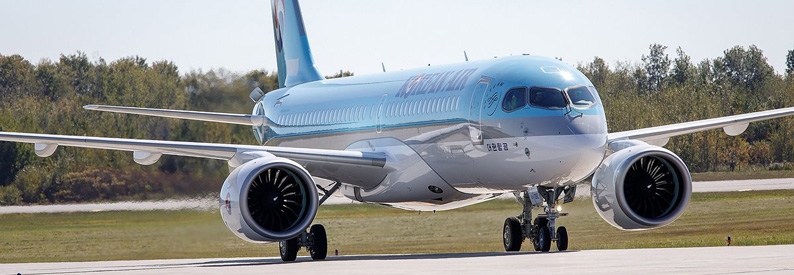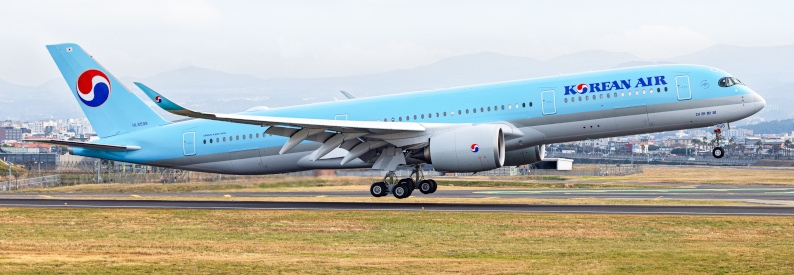
Korean Air (KE, Seoul Incheon) plan to propose a resolution to acquire the remaining 36.1% stake in Asiana Airlines (OZ, Seoul Incheon) at a shareholders' meeting in June 202, according to local news outlet News Tomato.
Korean Air currently owns 63.9% of Asiana Airlines.
Although Korean Air already holds majority control, management reportedly intends to pursue the remaining stake to simplify its governance structure into a single airline entity. The integrated airline is expected to launch on December 17, 2026, at which point the Asiana Airlines brand and corporate entity will gradually be phased out.
Korean Air standards to be adopted
In preparation for the merger, Korean Air is working to institutionalise its operational standards within Asiana Airlines, chairman and chief executive Cho Won-tae said during a recent employee town hall, according to South Korean publication ChosunBiz.
Employees of Asiana Airlines will benefit from increased pay based on Korean Air standards, reportedly 32% higher on average. Korean Air will also introduce changes to Asiana Airlines' job classification system to align with its own, although the issue of seniority remains contested by the pilots' union.
The adjustments in salaries and benefits are expected to cost Korean Air significantly more. As of 2025, Korean Air reportedly spent an average of KRW123 million won (USD82,000) per employee, while Asiana Airlines spent KRW92.6 million (USD61,000) on the same measure during the same period.
Despite challenges, Cho stated that the company had thoroughly prepared for the merger, particularly in relation to safety management systems and flight operations. Key milestones in the integration plan included the sale of Asiana Cargo and Asiana Airlines' transfer to Seoul Incheon Terminal 2 in January 2026.
Asiana Airlines under emergency management
Separately, Asiana Airlines chief executive Song Bo-young expressed optimism about the merger's progress, declaring that 2026 would mark a "decisive turning point" for the carrier. However, Song cautioned that geopolitical issues, high exchange rates, and rapid changes in the business environment remain pressing concerns.
"All employees will unite and do their utmost to successfully complete the tasks at hand by strengthening profitability," he added, while assuring that the safety and security of its operations would continue to be paramount.
The assurance came as Asiana Airlines entered an emergency management phase on March 25 due to higher lease, maintenance, and fuel costs, all paid in US dollars and exacerbated by the Middle East conflict. The protocol was enacted to enable management to respond to the crisis effectively.
- Type
- Base
- Aircraft
- Destinations
- Routes
- Daily Flights