Azul Linhas Aéreas Brasileiras (AD, São Paulo Viracopos) will prioritise its growth around the E195-E2 as part of its network strategy following its exit from Chapter 11 bankruptcy process, according to chief executive John Rodgerson.
Speaking at Routes Americas 2026, Rodgerson said that the E195-E2 is the most important aircraft in the carrier’s future fleet.
“I think what I’m probably the most excited about are the E2s,” he said, as quoted by Aviation Week. “When you look at the fuel burn on those E2s compared to the E1s that we’re flying today, we’re getting 18 more seats and about 20% less fuel burn.”
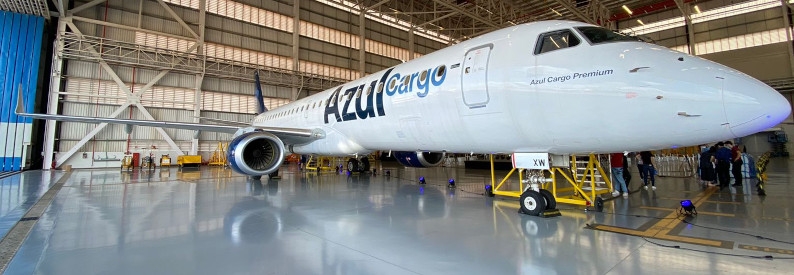
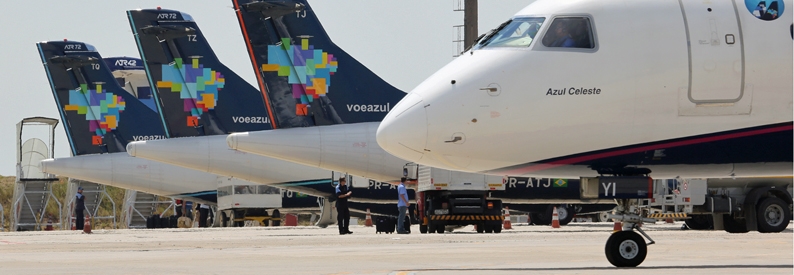
The company currently has an Embraer fleet consisting of thirty-seven E195s and forty-three E195-E2s, with twenty-four more of the latter to come, ch-aviation data shows.
The economics of the E2 family enable Azul to expand into longer routes and thinner markets, such as the recently launched Belo Horizonte Tancredo Neves-Montevideo Carrasco, described as Rodgerson as “a perfect E2 route. Those are opportunities to do more things where you wouldn’t have done that in the past.”
In parallel, Rodgerson spoke about the A321-200NY(XLR), of which Azul had a potential order, which was axed during the Chapter 11 process. The XLR is a phenomenal aircraft, he said, but its cost is close to widebodies.
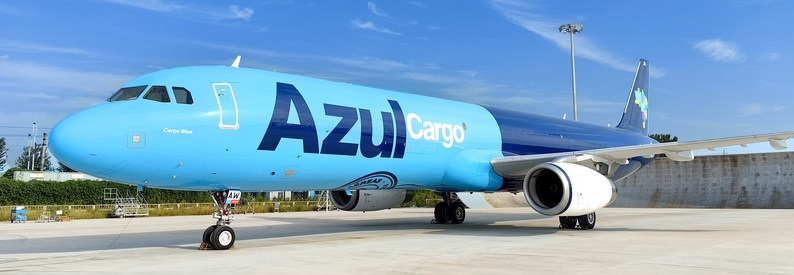
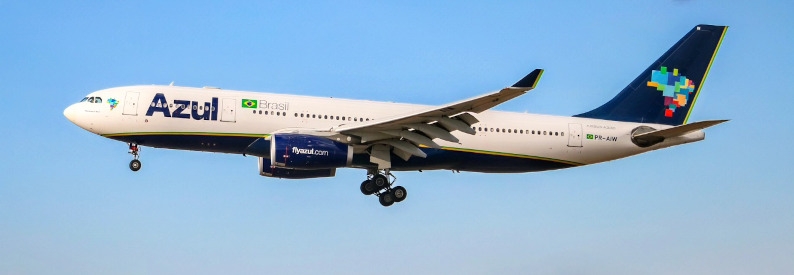
Azul operates a wide variety of aircraft types, ranging from Cessna turboprops (at subsidiary Azul Conecta) to Airbus A330 widebodies.
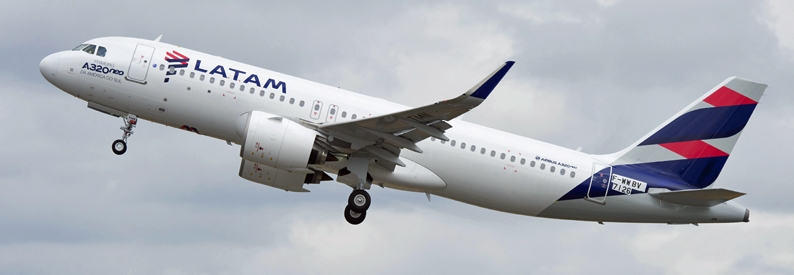
"I think every aircraft has a purpose, and every aircraft has a market that works for it," Rodgerson said. "We’ve started with a Cessna Caravan, moved it to an ATR, then to an E-Jet, and then to an A320."
- Type
- Base
- Aircraft
- Destinations
- Routes
- Daily Flights