

The airspace of multiple countries in Western Asia was closed to all traffic on February 28, 2026, in the wake of US and Israeli attacks on Iran and subsequent retaliation by Tehran. The events have led to widespread disruption and total closure of major hubs such as Dubai International, Abu Dhabi International, and Doha Hamad International.
Bahrain, Kuwait, Iran, Iraq, Israel, Qatar, Syria, and the United Arab Emirates have completely closed their respective airspaces to all commercial traffic.
There is currently no set timeline for their reopening as Iranian retaliatory attacks, mostly targeting US military facilities in other countries, continue.
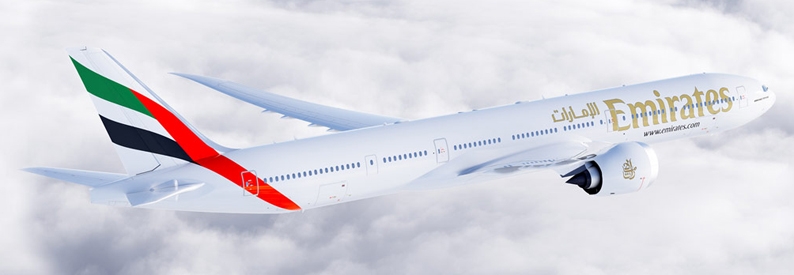
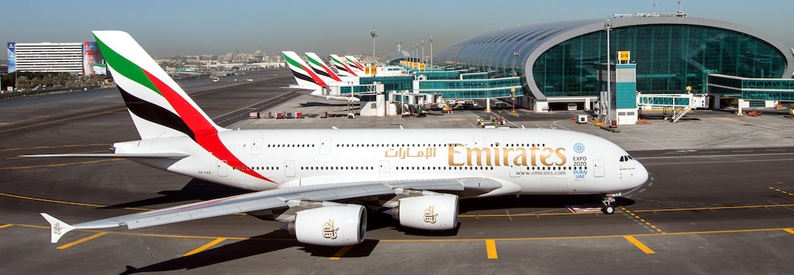
Etihad Airways has cancelled all flights until at least 1400L (1000Z) on March 2, 2026. Emirates and its sister carrier flydubai, as well as Air Arabia, have suspended all flights until at least 1500L (1100Z) on March 3. Air Arabia said that flights to Jordan, Syria, and Iraq would be on hold at least until March 3. A restart remains contingent on the reopening of Emirati airspace.
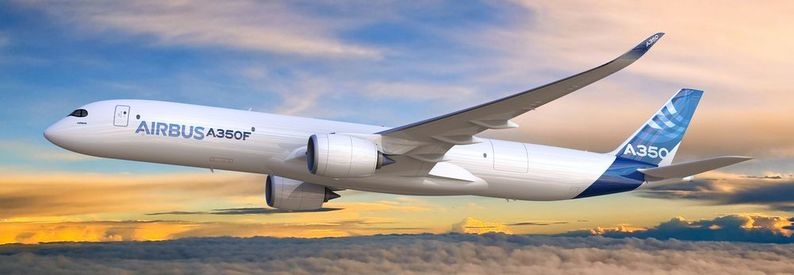
Etihad Airways became the first airline to ferry aircraft back to its base at Abu Dhabi Int'l on March 1. The carrier repositioned A350-1000s A6-XWG (msn 717) from Istanbul Airport (where it diverted en route from Atlanta Hartsfield Jackson) and A6-XWJ (msn 743) from Muscat (diversion from New York JFK).
Qatar Airways, Gulf Air, and Kuwait Airways have not announced even a tentative timeline for reopening but said they would be providing updates as events develop.
El Al Israel Airlines suspended all operations until 0200L (0000Z) on March 3. The Israeli flag carrier also closed bookings for all flights until March 21 to ensure it has enough capacity to prioritise the repatriation of passengers affected by the cancellations.
The Syrian General Civil Aviation Authority has extended the closure of the country's airspace at least up to and including March 2.
According to the current Notice to Air Missions (NOTAMs), Iraqi airspace will remain closed until at least 1200L (0900Z) on March 2, the Iranian one until 1200L (0830Z) on March 3.
The European Union Aviation Safety Agency (EASA) has issued a non-binding Conflict Zone Information Bulletin (CZIB) advising all operators to also avoid the airspaces of Saudi Arabia, Jordan, Oman, and Lebanon, which are open to arriving, departing, and transiting air traffic.
Muscat, Amman Queen Alia, and all Saudi airports including Dammam located directly next to closed Bahrain and Qatar remain open. Oman Air and SalamAir operate according to schedule, except for flights to countries which are currently closed. The latter suspended all operations for 24 hours on February 28-March 1. After some initial cancellations on February 28, Royal Jordanian also operates normally insofar as airspace closures permit.
During retaliatory attacks on the UAE, Terminal 3 at Dubai International airport sustained "minor damage".
- Type
- Base
- Aircraft
- Destinations
- Routes
- Daily Flights



Editorial Comment: Emirates Group suspension timeline updated. This is a developing story and all timelines are subject to change at short notice. - 02Mar2026 - 08:09 UTC