Boeing (BOE, Washington National) has asked the United States Department of Transportation (DOT) and the Federal Aviation Administration (FAA) to waive a regulation that would prohibit the manufacturer to continue selling the B777-200F beyond January 1, 2028, over fuel-efficiency constraints.
In a letter sent to the DOT, Boeing said that under US law 14 CFR §38.1, an aircraft may not obtain a certificate of airworthiness on or after January 1, 2028, if it exceeds fuel efficiency limits. The B777F does exceed these limits, so this model would no longer be eligible for certificates after 2027.
While Boeing is developing a more fuel-efficient successor, the B777-8F, which is expected to comply with the limits, it “will not be available until after that date.” So Boeing is seeking relief that would allow it to meet anticipated customer demand until the new type is first delivered. It is seeking the waiver for a total of thirty-five B777Fs before May 1, 2026.
Reports signal that the entry-into-service of the B777-8F will take place in 2029, due to an adjusted timeline for the passenger widebody B777-9.
The B777F is currently the only large widebody freighter in production. According to the manufacturer, “of the USD600 billion in goods exported by air cargo in 2024, more than USD260 billion were transported on large widebody freighters.” ch-aviation data shows a total of 310 B777-200Fs currently active globally, with FedEx Express being the largest operator.
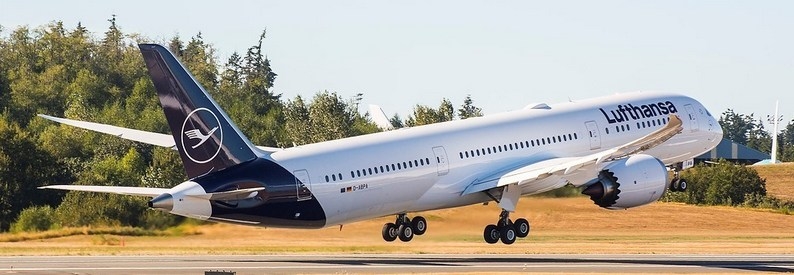
According to ch-aviation data, Boeing has received orders for fifty-nine B777-8Fs, from ANA - All Nippon Airways (two), Cargolux (ten), China Airlines (four), Lufthansa Cargo (seven), Qatar Airways (thirty-four), and Silk Way West Airlines (two).